Discover the Innovative Techniques Used in a Metal Foundry for Superior Casting Outcomes
In today's affordable manufacturing landscape, metal foundries are progressively adopting innovative strategies to enhance spreading results - Aluminum Foundry. Advanced computer system simulations permit precise modeling of molten metal behavior, while 3D printing enables rapid production of complex mold and mildews. In addition, environment-friendly materials and automation simplify operations. These growths guarantee significant enhancements in efficiency and quality assurance. The impact of these innovations on sustainability and production techniques remains to be fully discovered.
Advanced Computer Simulations in Metal Casting
Advanced computer system simulations have actually transformed the metal casting procedure by enhancing accuracy and performance. These sophisticated tools allow engineers to create online designs of cast parts, allowing them to evaluate and predict the behavior of liquified metal throughout the spreading stage. By simulating various specifications such as temperature, flow price, and cooling prices, suppliers can identify possible defects prior to physical production begins.
This positive strategy reduces waste and reduces costly errors, ultimately bring about enhanced product top quality. Additionally, simulations facilitate the optimization of mold styles, making certain that they satisfy the certain requirements of each project. The assimilation of computational fluid characteristics (CFD) and finite element evaluation (FEA) further adds to the accuracy of these simulations, providing understandings that were previously unattainable. Consequently, progressed computer simulations have actually ended up being a crucial component of modern metal foundries, significantly advancing the market's abilities.
3D Printing for Molds and Patterns
3D printing has become a groundbreaking technique for producing molds and patterns in the metal foundry industry. This innovation enables the rapid manufacturing of intricate geometries that standard manufacturing methods have a hard time to achieve. By utilizing additive manufacturing, foundries can develop complex designs with reduced lead times and material waste. The capacity to generate mold and mildews as needed permits greater adaptability in layout versions, facilitating faster prototyping and alterations.
Additionally, 3D printing can utilize a selection of materials, including metals and plastics, customized to details casting needs. This flexibility enhances the accuracy of mold and mildews, leading to remarkable spreading end results with improved surface coatings. In addition, the decrease in the variety of components called for streamlines setting up procedures, better optimizing production performance. As foundries continue to adopt 3D printing, they are poised to redefine industry standards, paving the means for development and improved efficiency in metal spreading procedures.
Eco-Friendly Products and Processes
As the metal foundry industry encounters raising pressure to lower its ecological footprint, the fostering of eco-friendly products and procedures has actually ended up being important. Shops are now exploring sustainable options to conventional products, such as making use of bio-based binders and recycled metals. These products not just minimize waste yet additionally reduced power usage throughout production.
Additionally, developments in sand spreading methods have actually led to the usage of synthetic sands that are much less harmful to the atmosphere. Foundries are likewise implementing ingenious procedures like molten metal treatment that lowers exhausts and improves the quality of cast items.
Water-based coverings have actually changed poisonous solvents, promoting a much safer work environment. By integrating these green techniques, metal foundries can markedly lower their eco-friendly influence while preserving top quality casting outcomes. This change not just profits the atmosphere but likewise straightens with the growing customer demand for sustainable production options
Automation and Robotics in Foundry Procedures
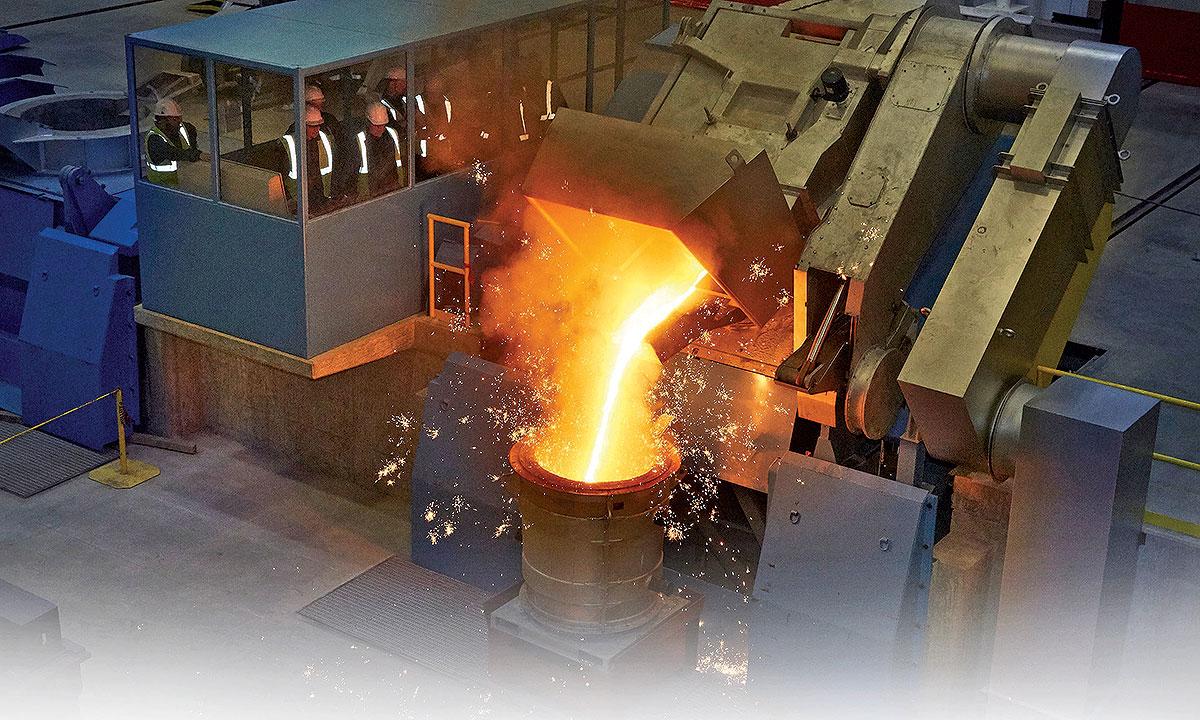
While the metal foundry sector welcomes development, the integration of automation and robotics is changing operations greatly. Automated systems look at this now simplify procedures such as mold and mildew production, metal pouring, and casting ending up, greatly enhancing performance. Robotics promote the handling of heavy materials, lowering the risk of office injuries and making sure much safer settings.
Better, using automated assisted automobiles (AGVs) enhances material transport within centers, ensuring prompt distribution of elements to appropriate workstations. By executing these innovations, foundries can adapt to changing needs with higher dexterity, eventually causing boosted success and competition in the marketplace. As automation and robotics remain to progress, they hold the possible to redefine conventional foundry techniques and drive additional innovations in casting methods.
Real-Time Surveillance and Quality Assurance Techniques
The innovations in automation and robotics have led the way for a lot more advanced strategies to quality guarantee in metal foundries. Real-time monitoring systems make use of Metal Casting innovative sensors and data analytics to track critical parameters throughout the casting process. These systems continually analyze variables such as material, temperature, and stress make-up, making it possible for immediate discovery of inconsistencies from established criteria.
Quality assurance methods now incorporate maker knowing algorithms that copyrightine historical information to anticipate potential flaws before they happen. This proactive technique lessens waste and boosts overall manufacturing performance. In addition, incorporated feedback loops enable quick modifications, guaranteeing that each spreading meets rigid top quality needs.
The execution of digital twins-- virtual reproductions of physical possessions-- has actually likewise changed quality control, permitting designers to imitate and maximize processes in real-time. With each other, these cutting-edge methods considerably boost the reliability and high quality of castings, establishing new industry requirements in metal foundry operations.
Regularly Asked Questions
What Sorts of Metals Are Frequently Cast in Foundries?
Frequently cast steels in foundries consist of aluminum, bronze, brass, and iron. Each metal exhibits distinct properties, making them ideal for different applications, such as vehicle components, equipment, and creative sculptures, enhancing their adaptability in manufacturing.
For how long Does the Casting Process Usually Take?
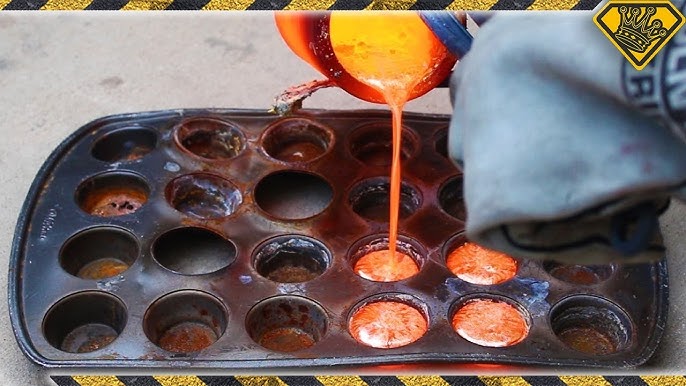
The spreading process commonly takes several hours to days, depending on aspects such as the complexity of the mold, sort of metal used, and air conditioning needs. Each stage affects the overall period substantially.
What Precaution Are in Location for Foundry Employees?
How Are Flaws in Castings Identified and Addressed?
Defects in spreadings are recognized through visual evaluations and non-destructive testing techniques. When found, foundry employees address them by improving processes, adjusting material make-ups, and applying rehabilitative steps to assure top quality and conformity with standards.
What Is the Price Variety for Metal Casting Services?
The expense array for metal spreading solutions commonly ranges $1 to $10 per pound, depending on elements such as product type, intricacy of the layout, and production volume, influencing total prices significantly.
In today's competitive manufacturing landscape, metal foundries are increasingly taking on cutting-edge strategies to improve casting outcomes. As the metal foundry industry encounters raising stress to minimize its environmental impact, the adoption of eco-friendly products and procedures has come to be crucial. Factories are currently exploring lasting choices to conventional products, such as making use of bio-based binders and recycled metals. By incorporating these green techniques, metal foundries can significantly decrease their ecological effect while preserving high-quality spreading outcomes. The advancements in automation and robotics have actually paved the method for much more sophisticated approaches to quality assurance in metal foundries.
Comments on “Why an Aluminum Foundry turns raw aluminum into finished components”